


LayerZero Power Systems Products
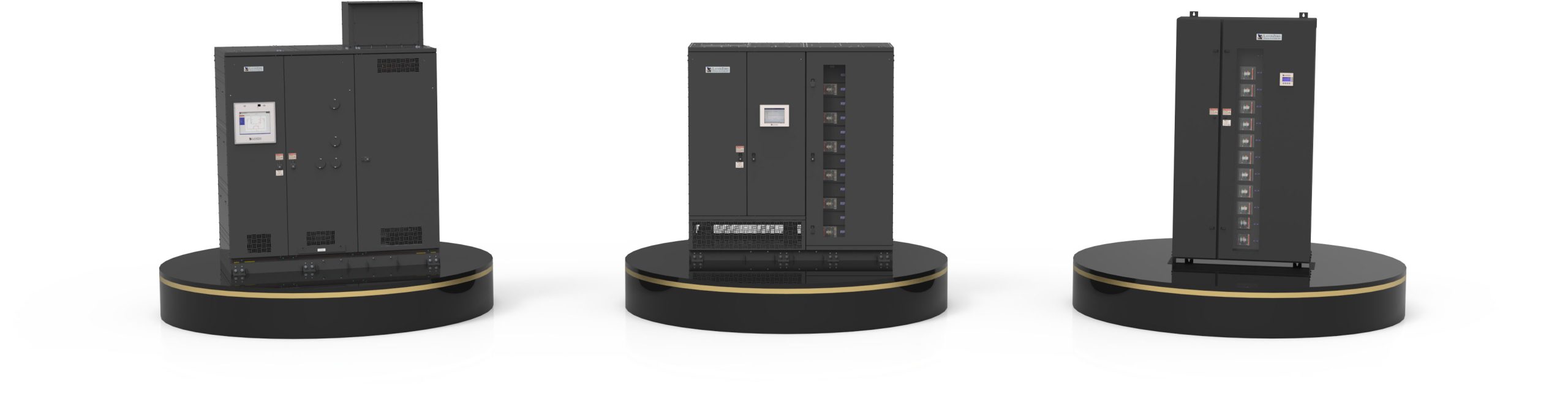
Explore LayerZero Power Systems product models for mission-critical power distribution and power quality monitoring - organized by product type and filterable by electrical configuration. Compare models by amperage, nominal input/output voltage, poles, and source.
What these products are
LayerZero® products support mission-critical power distribution - the equipment between upstream electrical infrastructure and the loads you cannot afford to lose. This catalog is organized by product line so you can start with the right class of equipment, then compare models by electrical configuration.
Static Transfer Switches (STS)
An STS is an automatic source-transfer device for critical loads. It monitors two sources and transfers the load to the best available source when a disturbance is detected.
- Best for continuity during power source disturbances
- Compare by amperage, nominal input/output voltage, and pole count
- 3-pole transfers phases; 4-pole transfers phases and neutral for greater isolation
Power Distribution Units (PDUs)
A PDU distributes power to equipment - often at the rack or row - so operators can deliver the right circuits to loads with the visibility needed to manage capacity and troubleshoot faster.
- Best for rack/row distribution and organized circuit delivery
- Compare by source, poles, and nominal voltages
- Monitoring options help validate capacity and identify abnormal conditions
Mission-Critical Power Distribution
This category covers facility power distribution equipment that supports resilient power delivery upstream of the rack, where maintainability, visibility, and availability are engineered into the distribution layer.
- Best for facility-wide distribution design or upgrades
- Compare by capacity, topology, and monitoring/visibility
- Designed for uptime-driven environments where downtime is not an option
How to choose a starting point
- If the problem is continuity during utility/generator events, start with STS.
- If the problem is delivering monitored power to racks, start with PDUs.
- If the problem is facility-wide distribution architecture, start with Mission-Critical Power Distribution.
- Then use filters for poles and source, and use the table view for side-by-side comparison.
Static Transfer Switches
Static Transfer Switches (STS) deliver ultra-fast, automatic source transfers to maintain continuous power to critical loads. Compare STS models by amperage, nominal input/output voltage, and pole configuration for data centers and AI infrastructure.
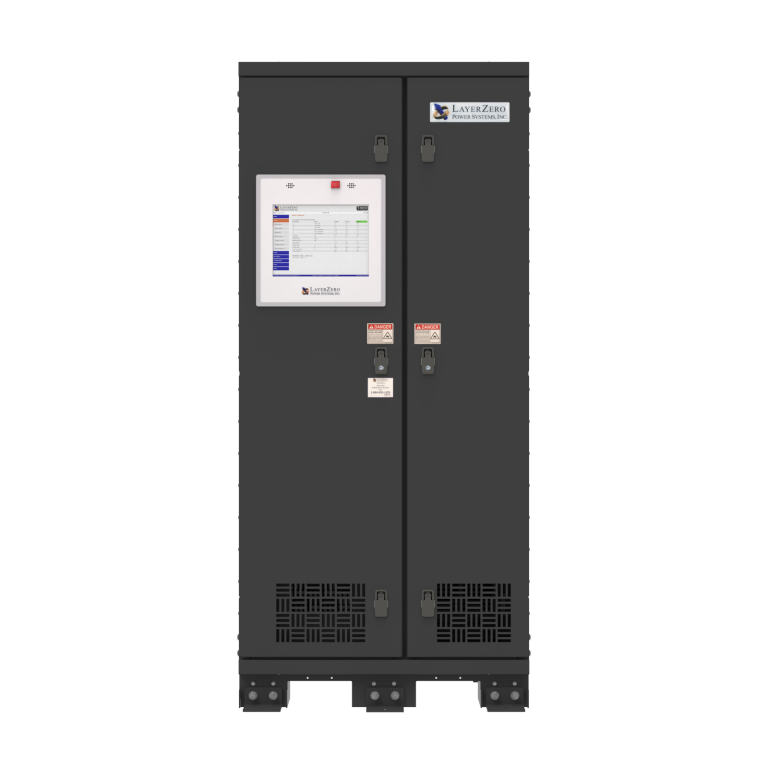
250 A 120/208 V 3-Pole eSTS
A: 250Input: 120/208Output: 120/208Poles: 3Source: 2-SourceThe LayerZero 250 A 208 V 3-Pole eSTS Static Transfer Switch provides fast, reliable power transfer with advanced monitoring and built-in protection to support uninterrupted operation in critical environments.
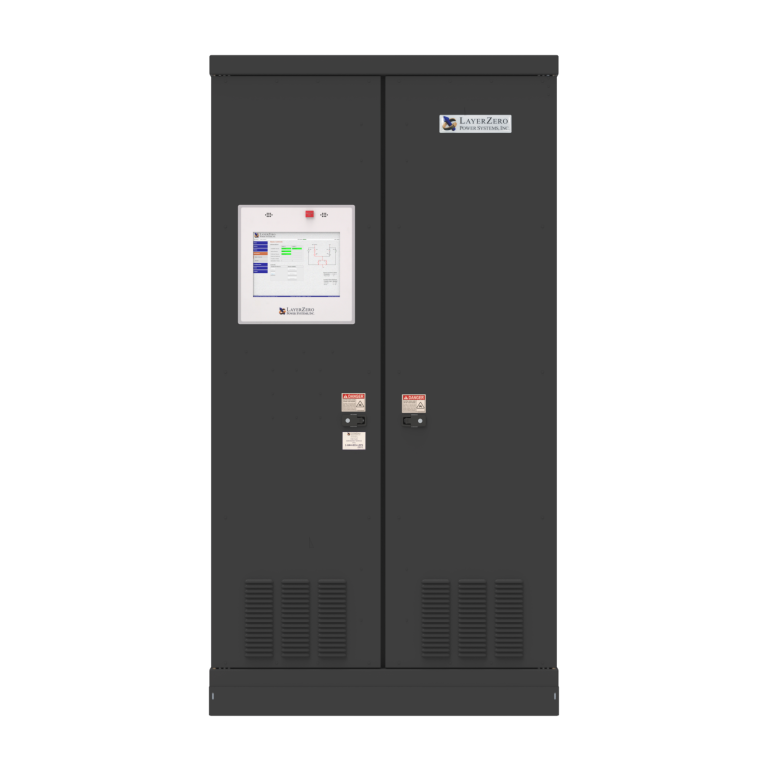
250 A 120/208 V 4-Pole eSTS
A: 250Input: 120/208Output: 120/208Poles: 4Source: 2-SourceLayerZero® eSTS maintains power continuity for mission-critical loads with sub-4 ms source transfers, using fiber-optic based control logic engineered for maximum uptime in data center environments.
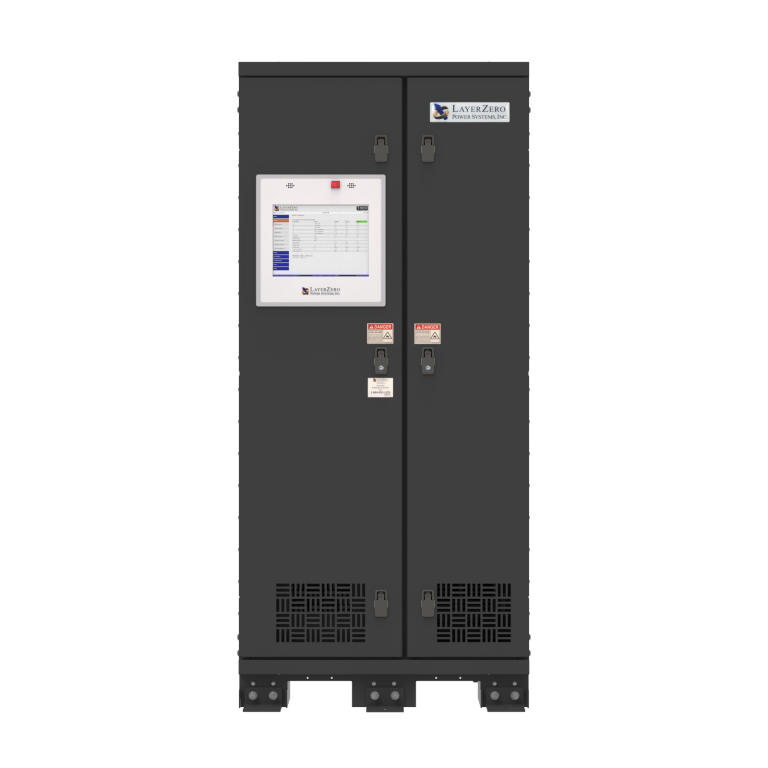
250 A 480 V 3-Pole eSTS
A: 250Input: 480Output: 480Poles: 3Source: 2-SourceThe LayerZero 250 A 480 V 3-Pole eSTS provides seamless source transfer and robust protection for mission-critical power systems, delivering high-speed switching, real-time monitoring, and dependable performance to help maintain continuous uptime.
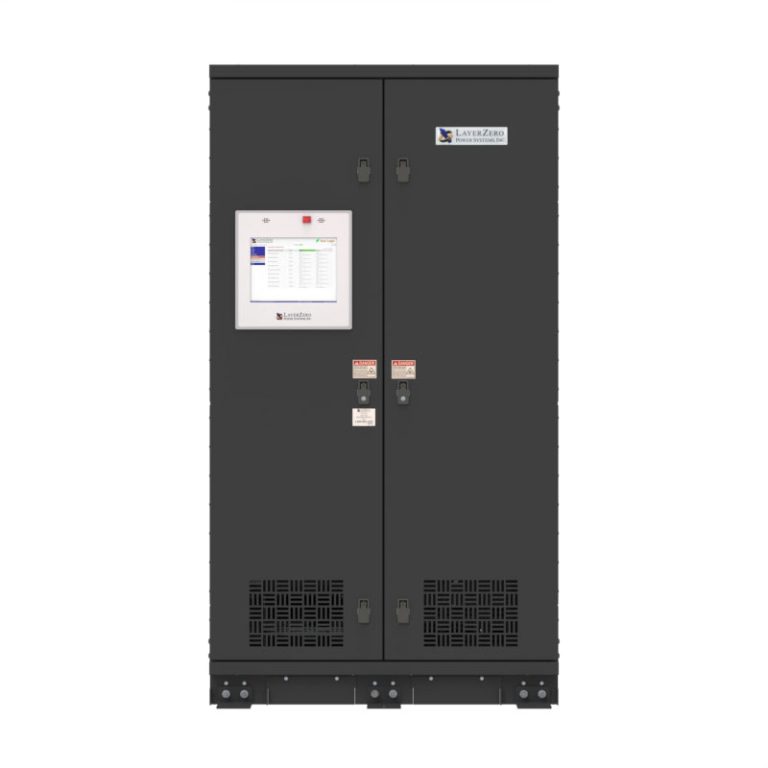
400 A 120/208 V 4-Pole eSTS
A: 400Input: 120/208Output: 120/208Poles: 4Source: 2-SourceThe LayerZero 400 A 120/208 V 4-Pole eSTS keeps mission-critical loads online with sub-4 ms transfers. With fiber-optic control, advanced monitoring, and a voice-guided bypass to reduce operator error, it ensures reliable, uninterrupted power for maximum data center uptime.
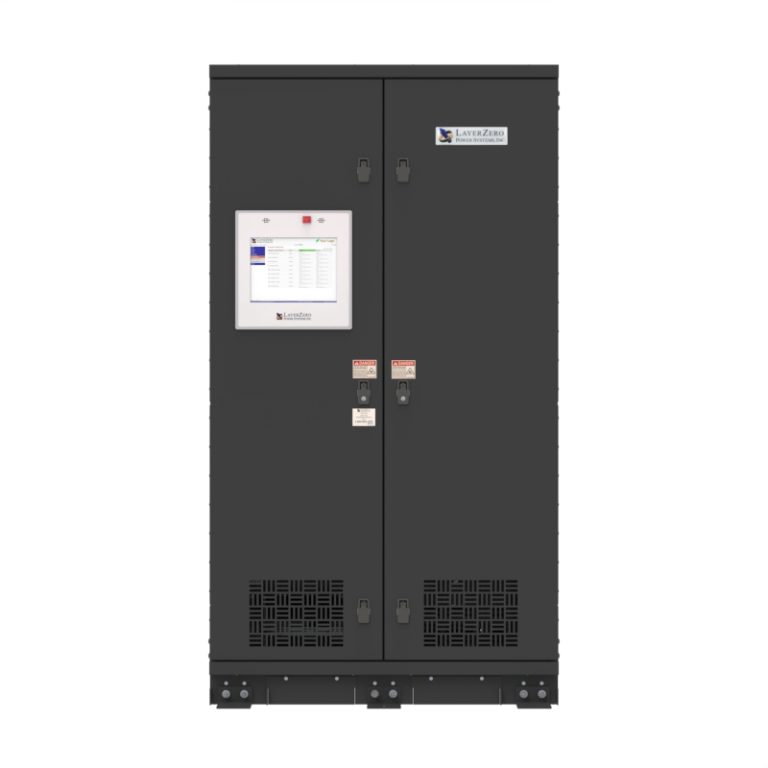
400 A 480 V 3-Pole eSTS
A: 400Input: 480Output: 480Poles: 3Source: 2-SourceThe LayerZero 400 A 480 V 3-Pole eSTS delivers high-capacity, ultra-fast source transfers with advanced monitoring and built-in protection, ensuring reliable, uninterrupted power for demanding, mission-critical applications.
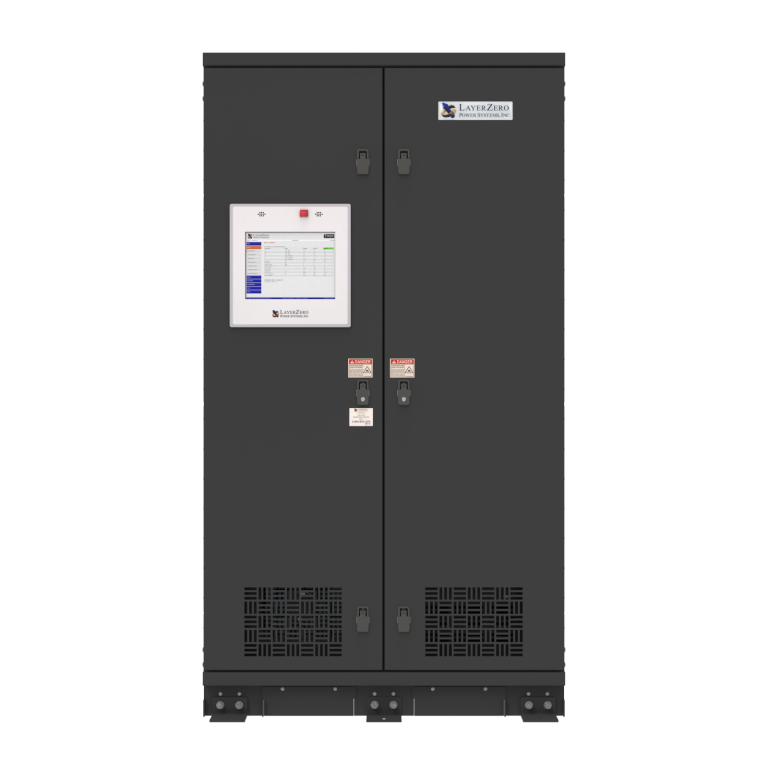
600 A 480 V 3-Pole eSTS
A: 600Input: 480Output: 480Poles: 3Source: 2-SourceThe LayerZero 600 A 480 V 3-Pole eSTS delivers fast, dependable source transfers and advanced monitoring to support high-load, mission-critical power systems where uptime and reliability are essential.
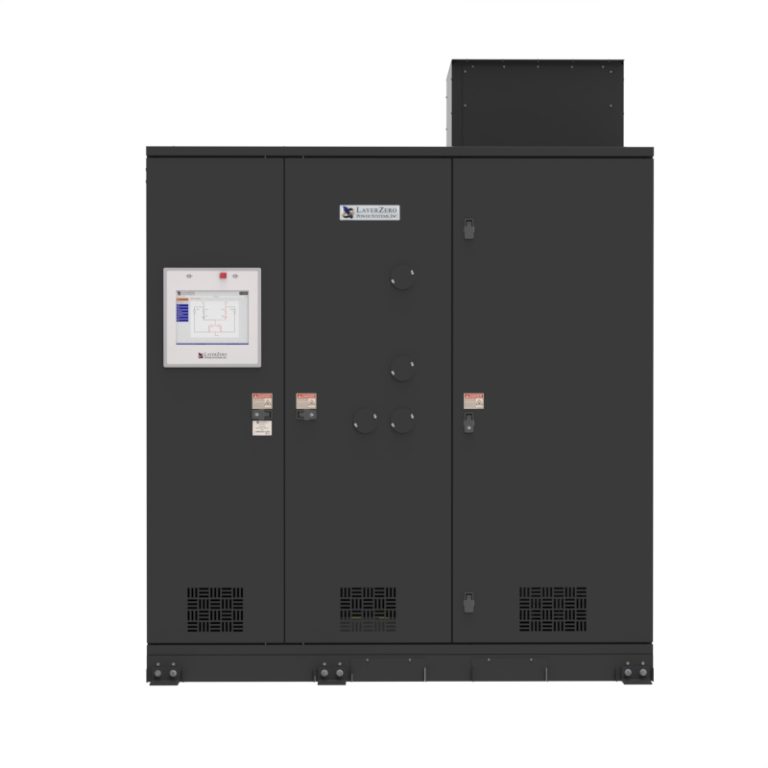
800 A 240/415 V 4-Pole eSTS
A: 800Input: 240/415Output: 240/415Poles: 4Source: 2-SourceThe LayerZero 800 A 240/415 V 4-Pole eSTS delivers ultra-fast source transfers for mission-critical loads, featuring advanced monitoring, fiber-optic control, and a voice-guided bypass to reduce operator error, ensuring reliable, uninterrupted power and maximum uptime.
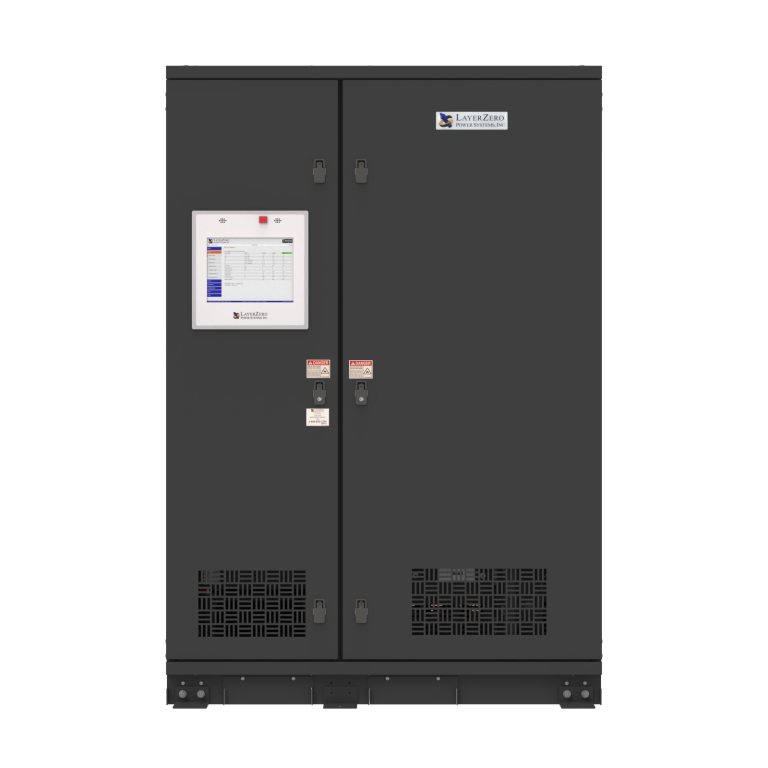
800 A 480 V 3-Pole eSTS
A: 800Input: 480Output: 480Poles: 3Source: 2-SourceThe LayerZero 800 A 480 V 3-Pole eSTS delivers high-capacity, ultra-fast power transfers with advanced monitoring and robust protection, ensuring continuous uptime for the most demanding mission-critical environments.
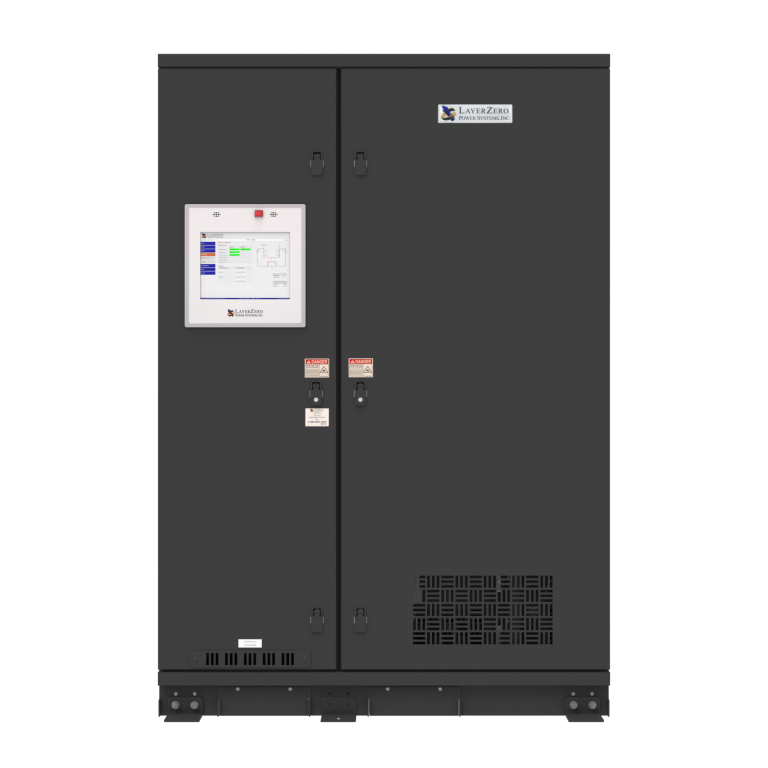
1000 A 480 V 3-Pole eSTS
A: 1000Input: 480Output: 480Poles: 3Source: 2-SourceThe LayerZero 1000 A 480 V 3-Pole eSTS provides ultra-fast, high-capacity source transfers with advanced monitoring and built-in protection, delivering dependable power continuity for large-scale, mission-critical operations.
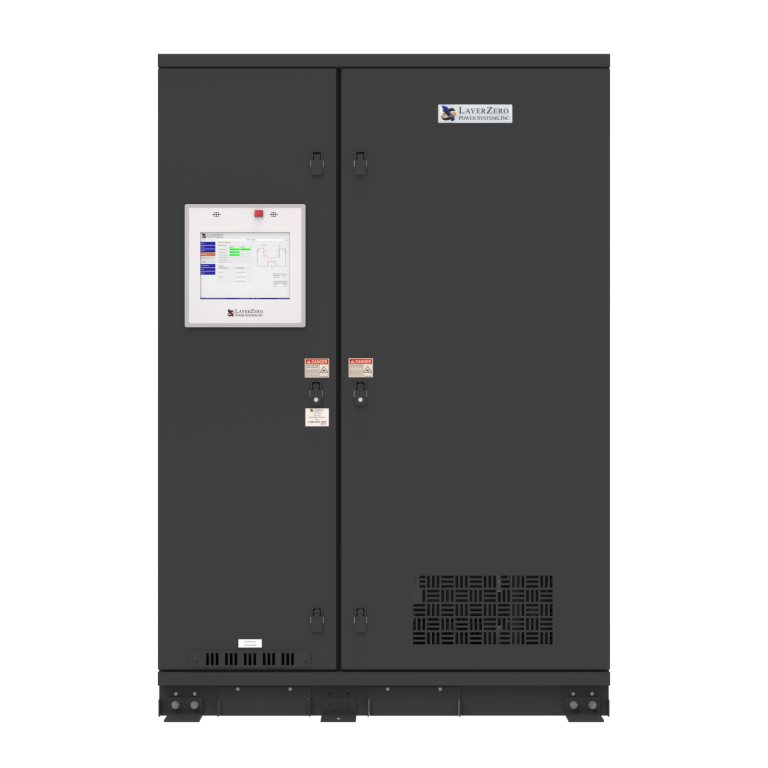
1200 A 480 V 3-Pole eSTS
A: 1200Input: 480Output: 480Poles: 3Source: 2-SourceThe LayerZero 1200 A 480 V 3-Pole eSTS offers high-capacity, rapid source transfers with advanced monitoring and robust protection, ensuring reliable, uninterrupted power for large-scale, mission-critical applications.
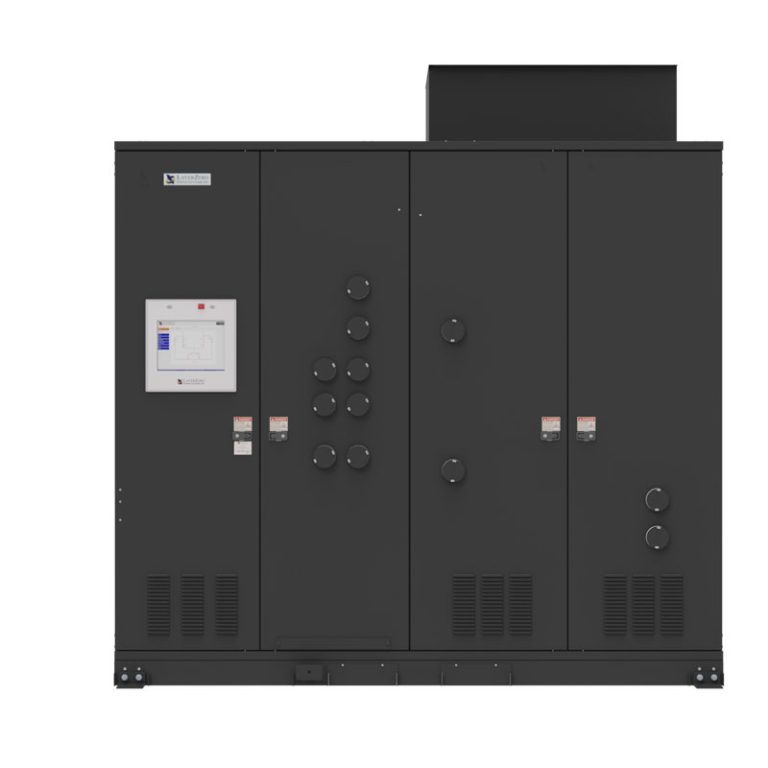
1600 A 277/480V 4-Pole eSTS
A: 1600Input: 277/480Output: 277/480Poles: 4Source: 2-SourceThe LayerZero 1600 A 277/480 V 4-Pole eSTS provides high-capacity, sub-4 ms source transfers with fiber-optic control, advanced monitoring, and a voice-guided bypass, ensuring reliable, uninterrupted power for mission-critical environments.
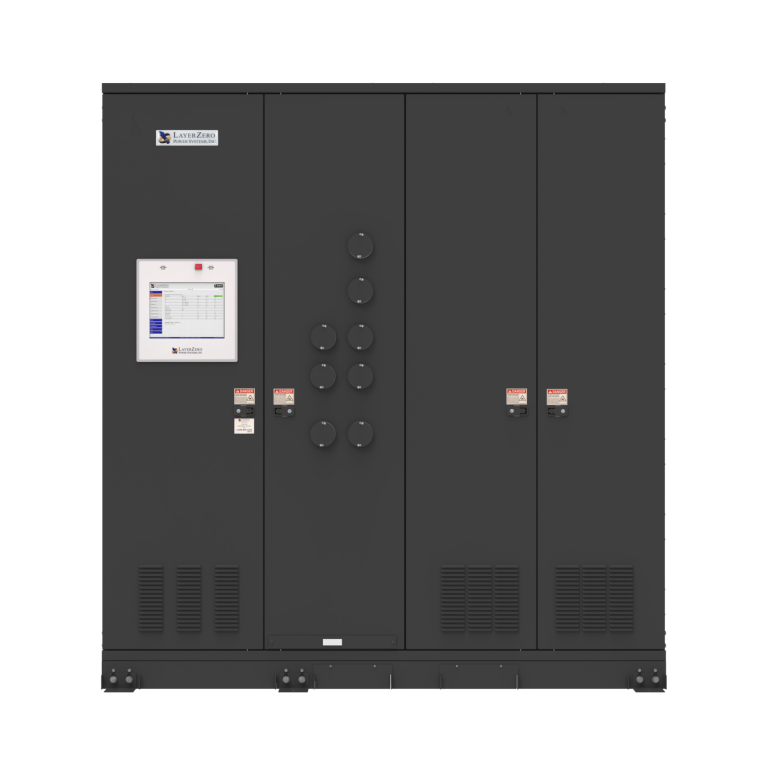
1600 A 480 V 3-Pole eSTS
A: 1600Input: 480Output: 480Poles: 3Source: 2-SourceThe LayerZero 1600 A 480 V 3-Pole eSTS delivers ultra-high-capacity, fast source transfers with advanced monitoring and built-in protection, providing reliable, continuous power for the most demanding mission-critical environments.
2000 A 240/415 V 4-Pole eSTS
A: 2000Input: 415/240Output: 415/240Poles: 4Source: 2-SourceThe LayerZero 2000 A 415/240 V 4-Pole eSTS delivers ultra-high-capacity, sub-4 ms source transfers with fiber-optic control, advanced monitoring, and a voice-guided bypass, ensuring reliable, uninterrupted power for the most demanding mission-critical systems.
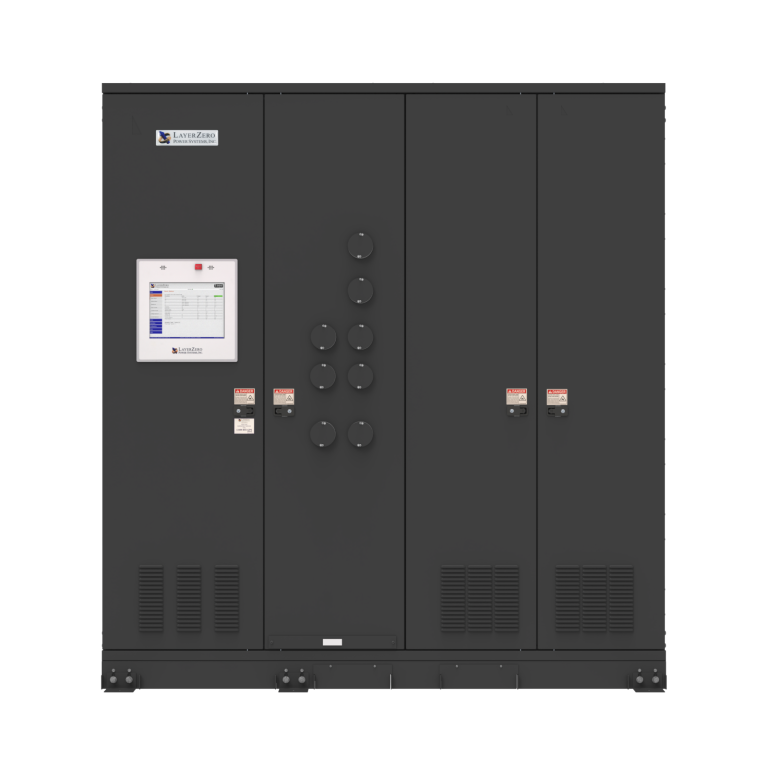
2000 A 480 V 3-Pole eSTS
A: 2000Input: 480Output: 480Poles: 3Source: 2-SourceThe LayerZero 2000 A 480 V 3-Pole eSTS provides massive-capacity, lightning-fast source transfers with advanced monitoring and robust protection, ensuring uninterrupted power for the largest, most mission-critical operations.
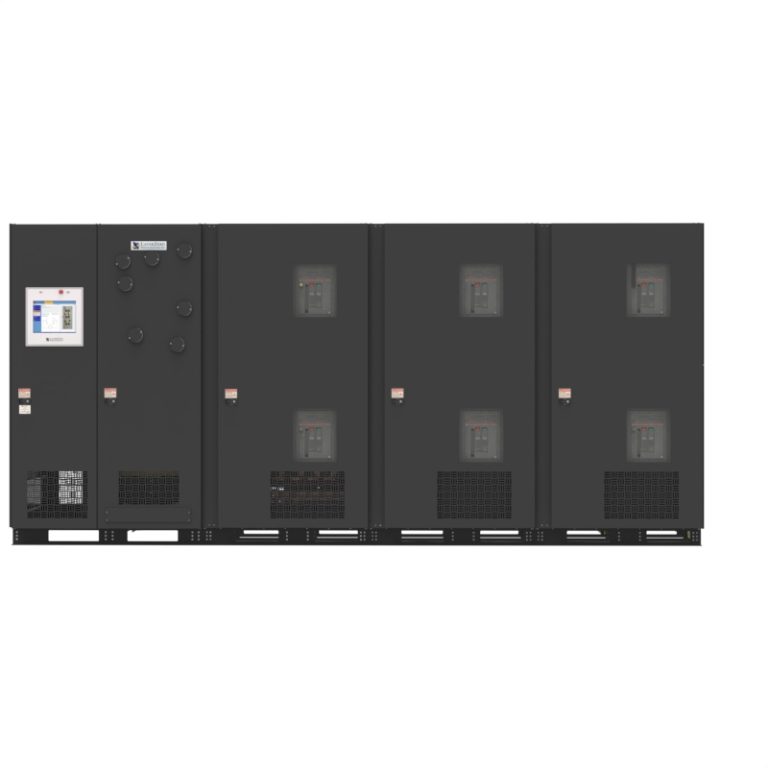
3000 A 277/480 V 4-Pole eSTS
A: 3000Input: 277/480Output: 277/480Poles: 4Source: 2-SourceThe LayerZero 3000 A 277/480 V 4-Pole eSTS provides extreme-capacity, sub-4 ms source transfers with fiber-optic control, advanced monitoring, and a voice-guided bypass, delivering reliable, uninterrupted power for large-scale mission-critical operations.
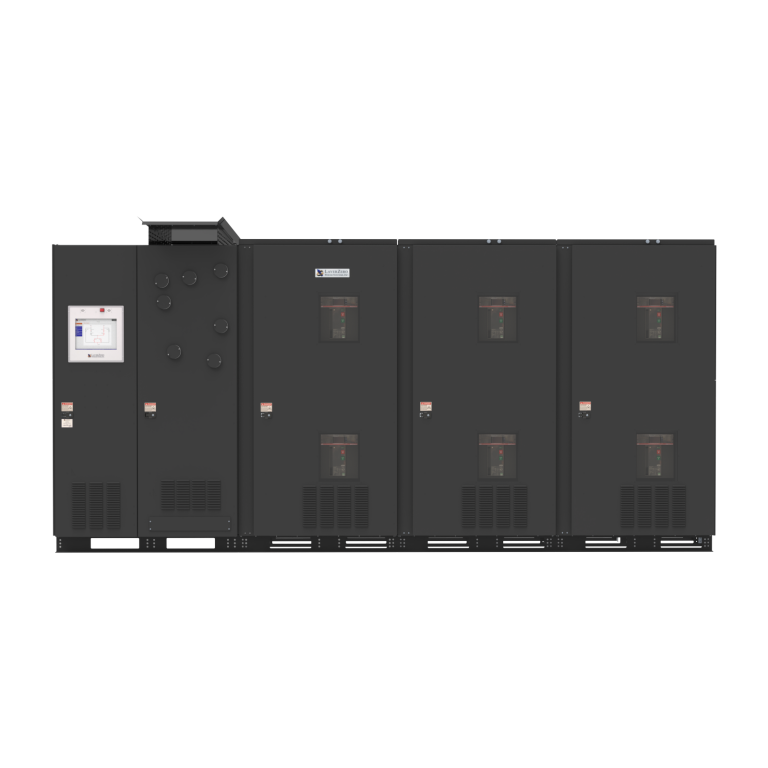
3000 A 480 V 3-Pole eSTS
A: 3000Input: 480Output: 480Poles: 3Source: 2-SourceThe LayerZero 3000 A 480 V 3-Pole eSTS delivers extreme-capacity, high-speed source transfers with advancing monitoring and built-in protection, ensuring continuous, reliable power for the most demanding mission-critical systems.
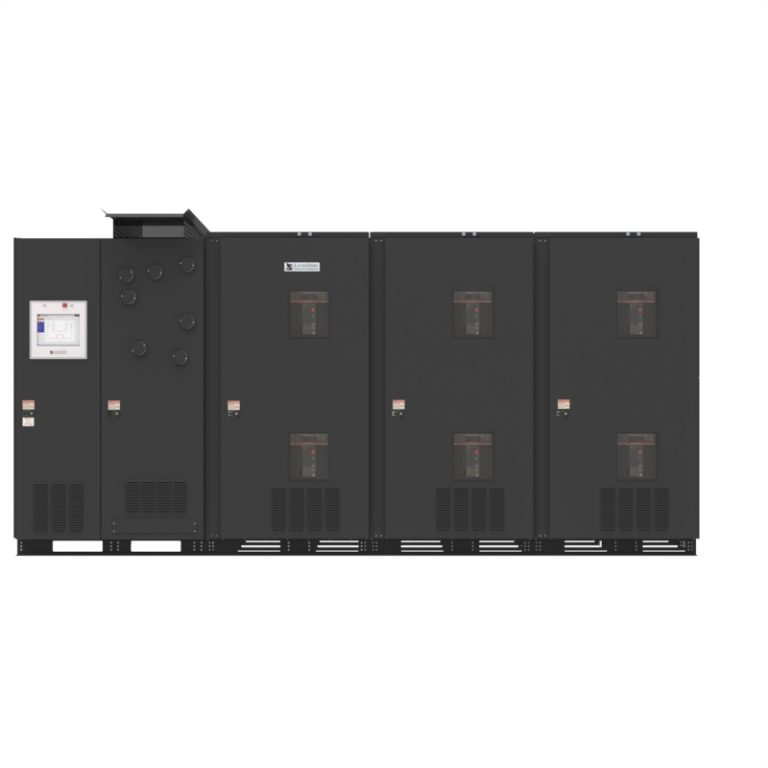
4000 A 480 V 3-Pole eSTS
A: 4000Input: 480Output: 480Poles: 3Source: 2-SourceThe LayerZero 4000 A 480 V 3-Pole eSTS provides ultra-high-capacity, rapid source transfers with advanced monitoring and robust protection, delivering uninterrupted, reliable power for the largest mission-critical applications.
Power Distribution Units (PDUs) for Data Centers
Power Distribution Units (PDUs) provide reliable, rack-adjacent power distribution with options for monitoring and power quality visibility. Filter PDU models by electrical configuration and source.
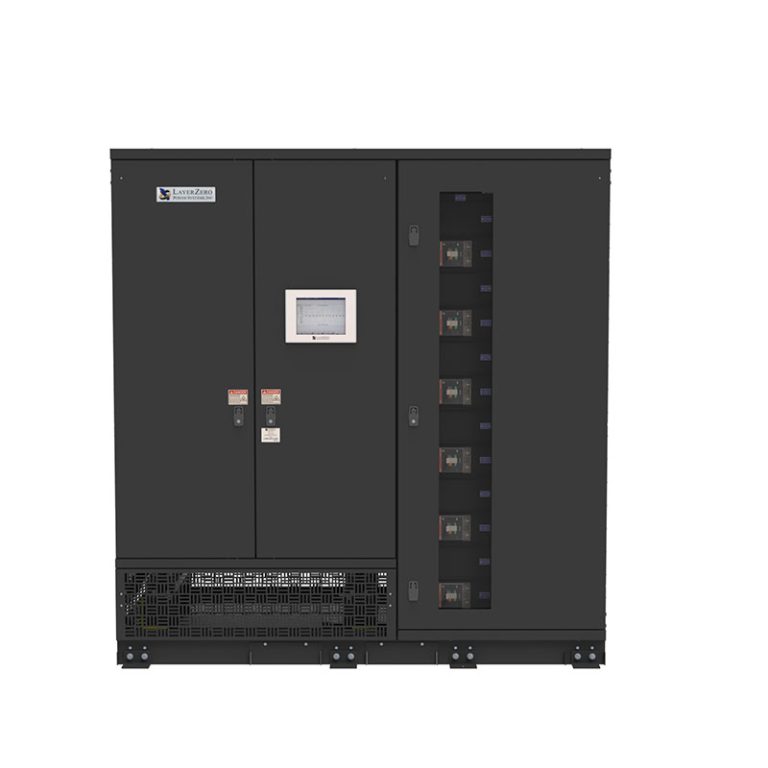
ePODs 400-500 kVa 480 V 240/415 V SafePanel Subfeeds
A: 600Input: 480Output: 240/415Poles: 3The LayerZero ePODs 400-500 kVA 480 V to 240/415 V Subfeeds PDU is a web-enabled unit that delivers high-capacity, single-input, multi-output power with SafePanel® circuits and built-in safety features for secure, efficient distribution.
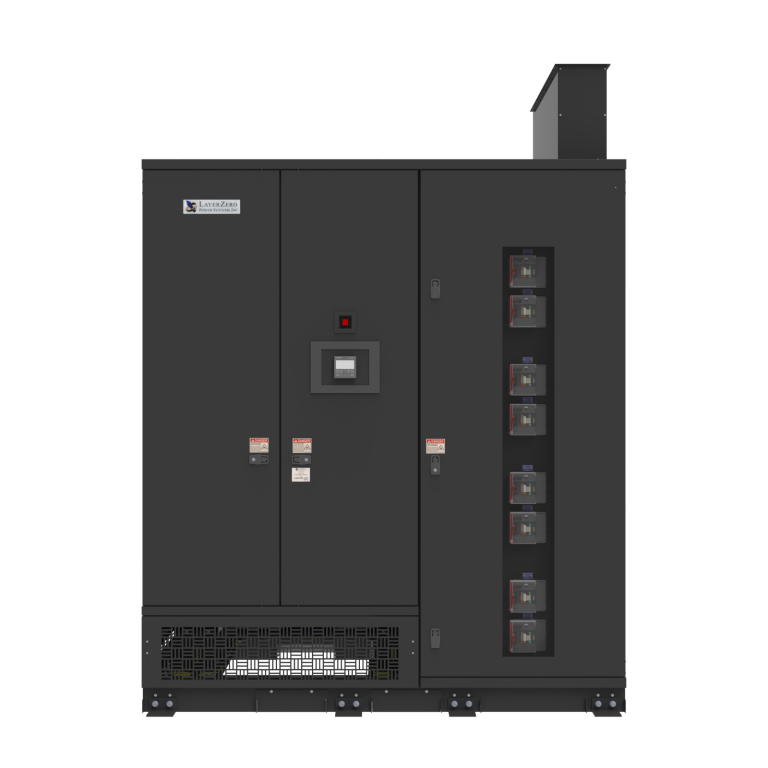
ePODs 750 kVA 480V 240/415V Fixed Subfeeds
A: 1200Input: 480Output: 240/415Poles: 3The LayerZero ePODs 750 kVA 480 V to 240/415 V Subfeeds PDU is a web-enabled unit delivering high-capacity, single-input, multi-output power with SafePanel® circuits and built-in safety features for secure, efficient distribution.
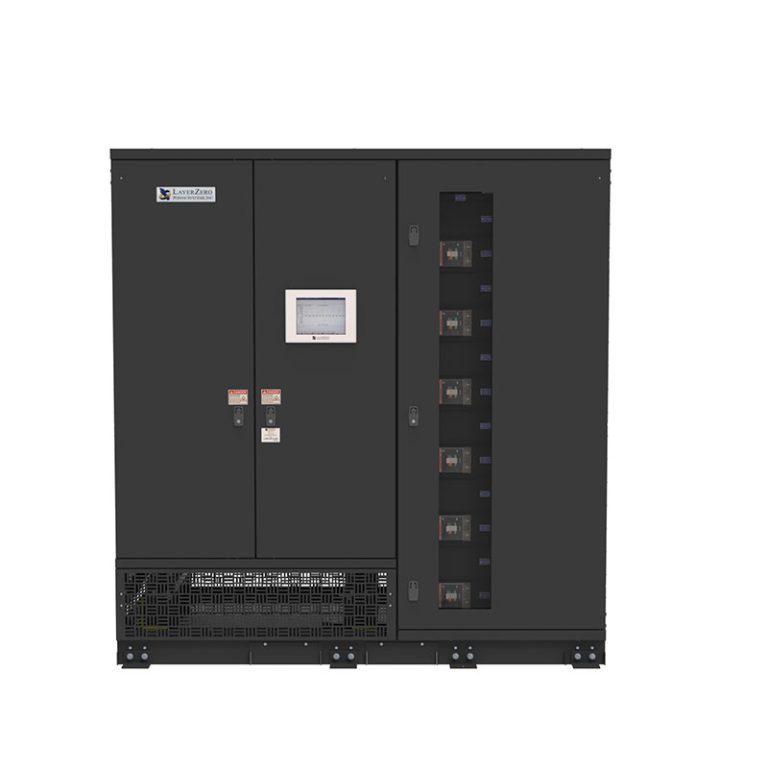
ePODs 400-500 kVa 480 V 120/208 V SafePanel Subfeeds
A: 1600Input: 480Output: 120/208Poles: 3The LayerZero ePODS 400-500 kVa 480 V 120/208 V PDU is a web-enabled, single-input, multi-output power distribution unit with transformer-based subfeeds and SafePanel® circuits, delivering safe, reliable, and efficient high-capacity power.
Mission-Critical Power Distribution
Mission-critical power distribution equipment supports resilient facility-wide power delivery with monitoring and scalability. Explore product models designed for high availability data centers and critical facilities.
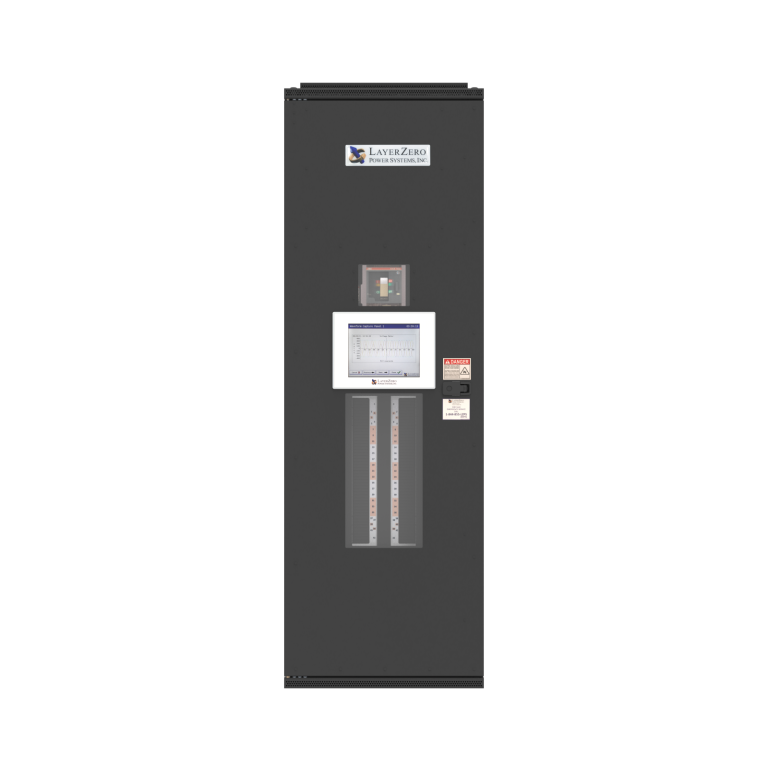
ePanel SL-1
A: 400Input: 120/208Output: 120/208Poles: 3The LayerZero ePanel SL-1 is a web-enabled remote power panel (eRPP) that delivers reliable, space-efficient power distribution with 42-circuit SafePanel design. Built for high-density applications, it supports selective trip coordination and enhance safety features to provide dependable power management for data centers and industrial environments.
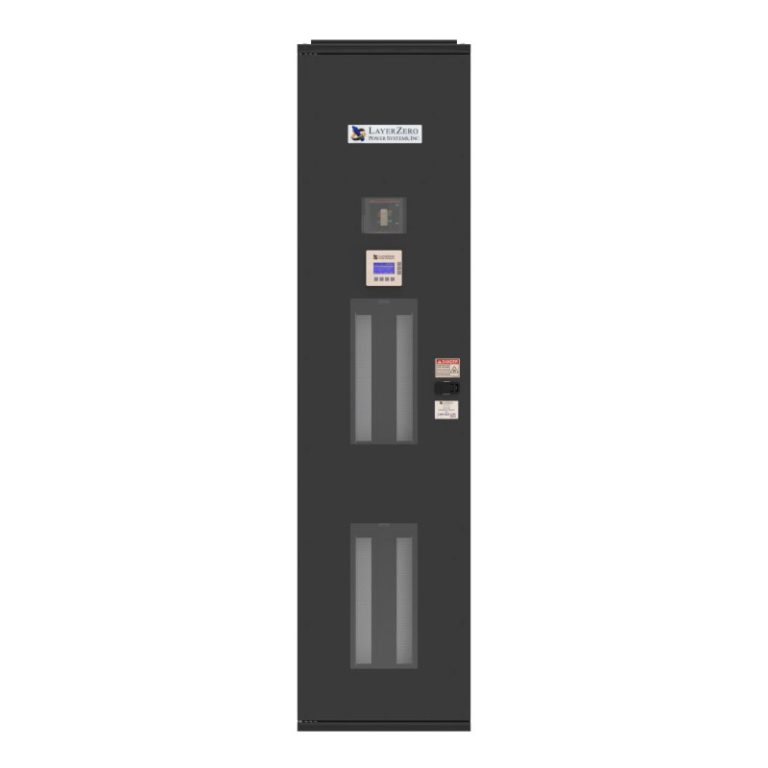
ePanel SL-2
A: 400Input: 120/208Output: 120/208Poles: 3The LayerZero ePanel SL2 is a web-enabled remote power panel with 84 SafePanel® circuits, delivering reliable, high-density power with selective trip coordination and built-in safety features in a compact, wall-mounted design.
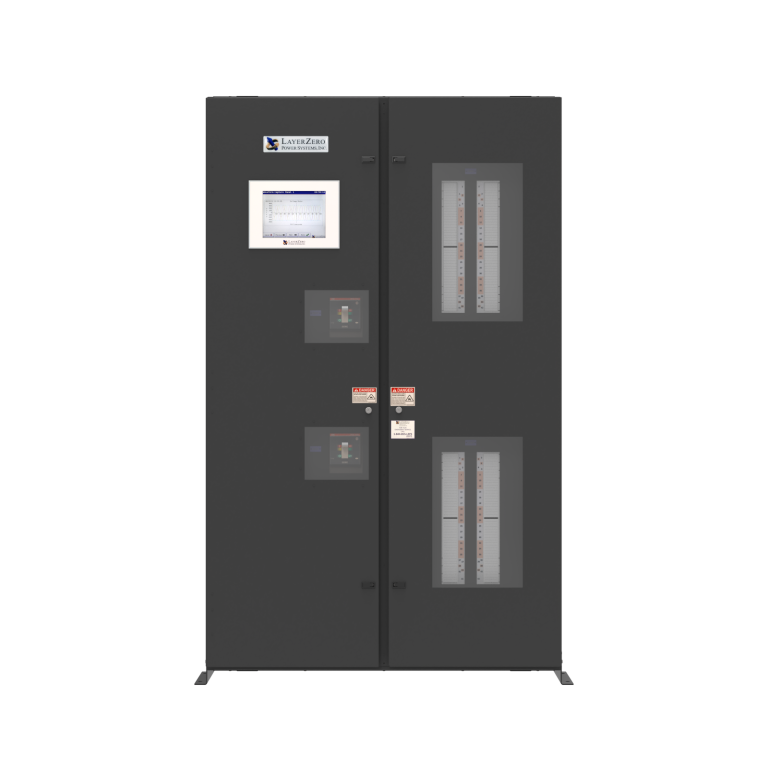
ePanel-2
A: 400Input: 120/208Output: 120/208Poles: 3The LayerZero ePanel-2 is a web-enabled remote power panel (eRPP) with 42-circuit SafePanel® distribution in a compact, wall-mounted design. With a SIMO configuration, selective trip coordination, and built-in safety features, it delivers reliable, efficient power for data centers and industrial applications.
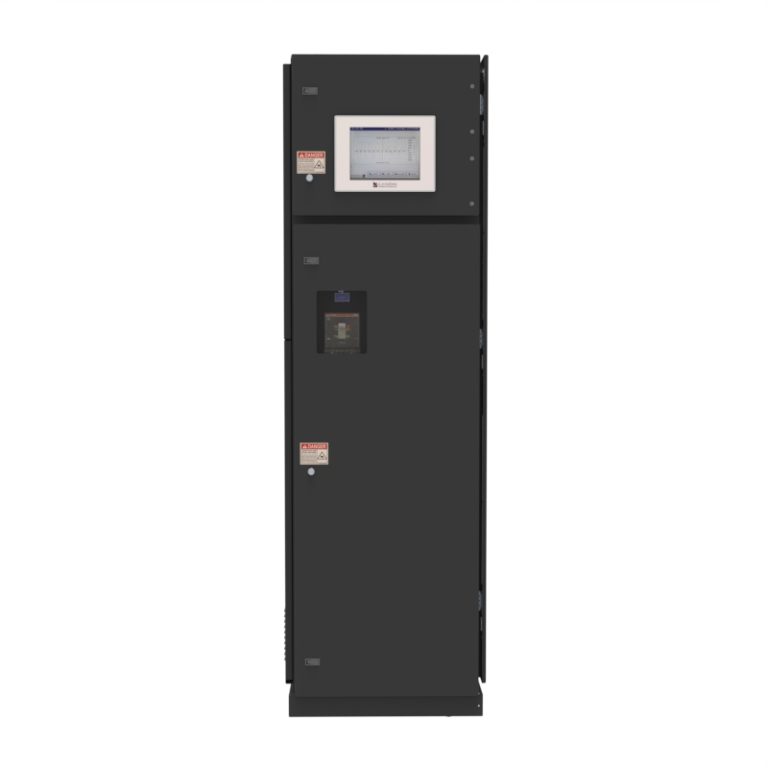
eRPP-FSL
A: 400Input: 120/208Output: 120/208Poles: 3The LayerZero eRPP-FSL is a web-enabled remote power panel that delivers high density, reliable power with 42 SafePanel® circuits, selective trip coordination, and built-in safety features for secure, space-saving distribution.
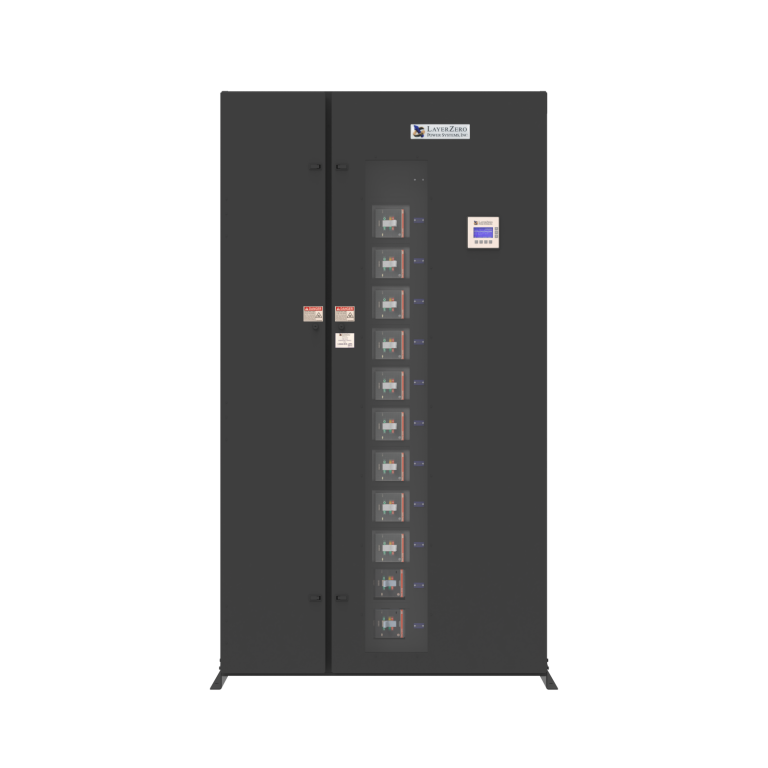
eRDP
A: 1200Input: 120/208Output: 120/208Poles: 3The LayerZero eRDP is a web-enabled remote distribution panel with multiple inputs and outputs, supporting finger-safe and standard breakers. Featuring SafePanel®, dead-front doors, and no exposed live parts, it delivers safe, reliable, and space-efficient power distribution.
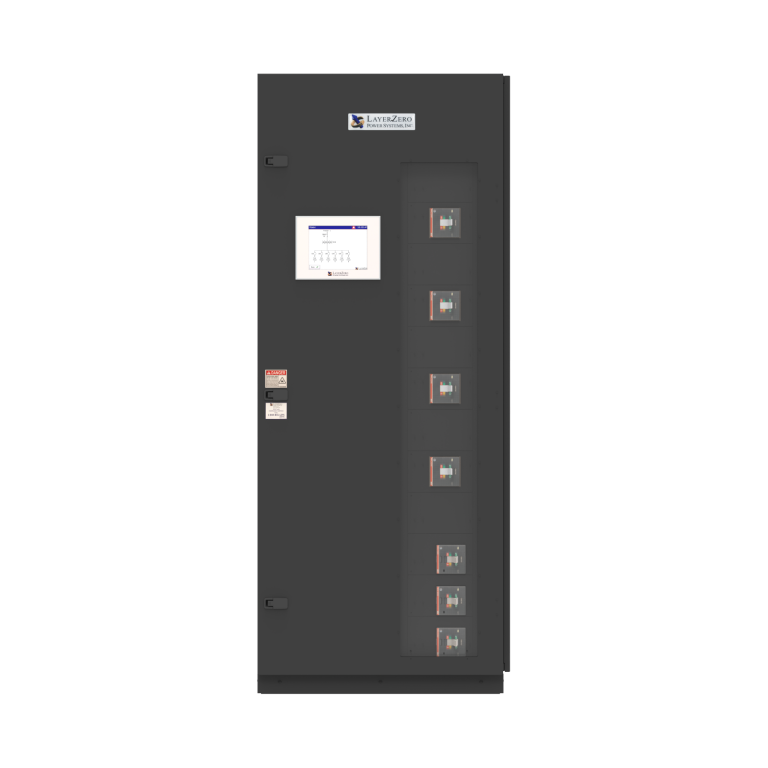
eRDP-FS
A: 1200Input: 120/208Output: 120/208Poles: 3The LayerZero eRDP-FS is a web-enabled remote distribution panel delivering reliable, high-density power from multiple inputs to multiple outputs, with SafePanel® design, dead-front doors, and finger-safe breakers for secure, space-efficient operation.
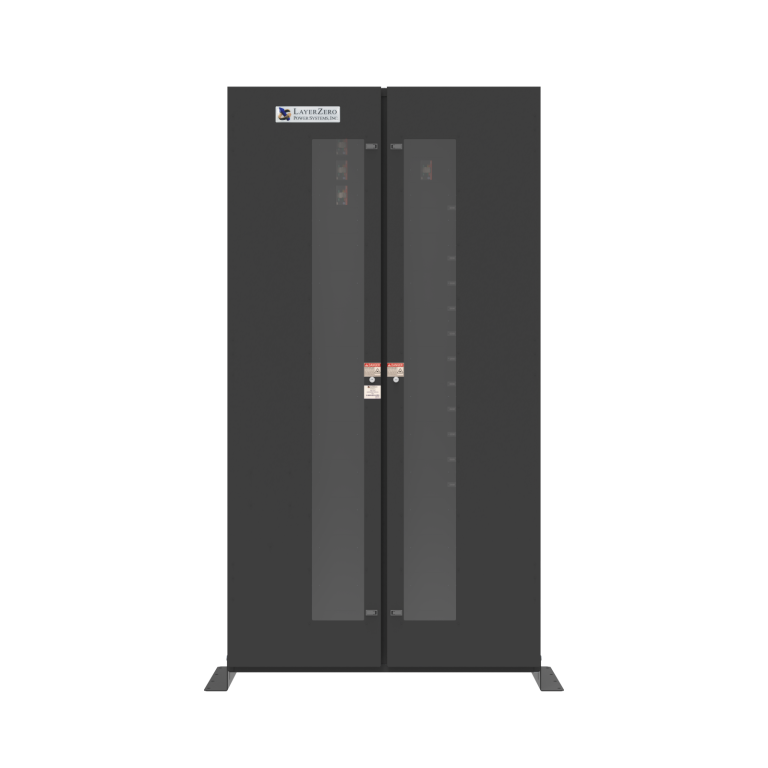
ePanel-HD2
A: 1600Input: 240/415Output: 240/415Poles: 3The LayerZero ePanel-HD2 is a web-enabled remote power panel (eRPP) that delivers high-reliability subfeed distribution in a compact, wall-mounted design. With a SIMO configuration and built-in safety features like SafePanel® distribution and no exposed live parts, it provides safe, efficient power for data centers and industrial applications.
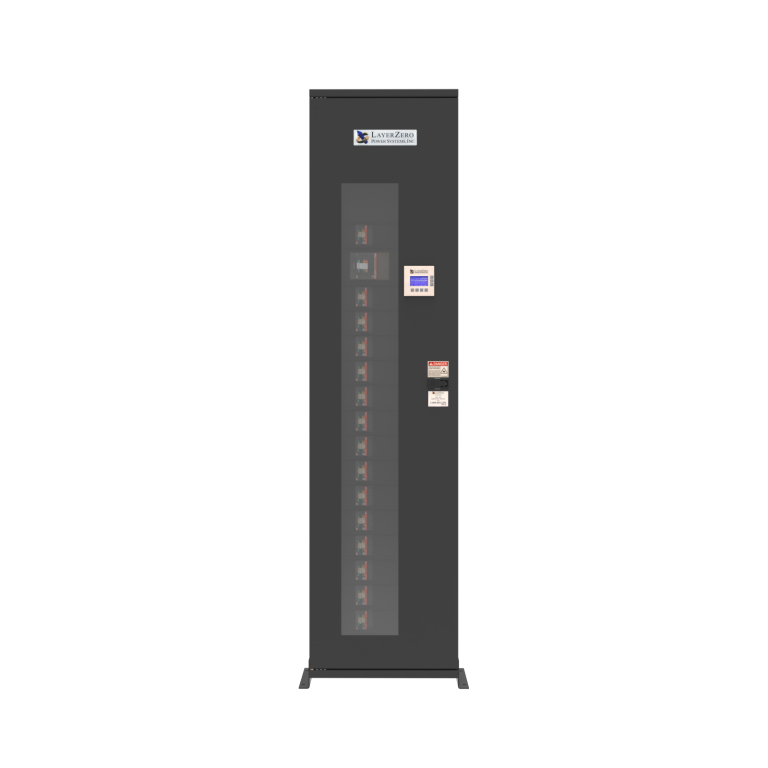
ePanel-HD1
A: 1600Input: 480Output: 480Poles: 3The LayerZero ePanel-HD1 is a web-enabled remote power panel providing reliable, single-input, multi-output power distribution. With SafePanel® circuits and built-in safety features, it delivers compact, efficient, and secure power management for high-demand applications.
Product Models
| Product Type | Product Model | Current (A) | Nominal Input Voltage | Nominal Output Voltage | # Poles | Source | Height (in / mm) | Width (in / mm) | Depth (in / mm) | Weight (lb / kg) |
|---|---|---|---|---|---|---|---|---|---|---|
| Mission-Critical Power Distribution | ePanel SL-1 | 400 | 120/208 | 120/208 | 3 | - | 71 (1803 mm) | 23.5 (597 mm) | 12 (305 mm) | 340 (154.2 kg) |
| Mission-Critical Power Distribution | ePanel SL-2 | 400 | 120/208 | 120/208 | 3 | - | 93 (2362 mm) | 23.25 (591 mm) | 12 (305 mm) | 550 (249.5 kg) |
| Mission-Critical Power Distribution | ePanel-2 | 400 | 120/208 | 120/208 | 3 | - | 80 (2032 mm) | 47 (1194 mm) | 10.5 (267 mm) | 550 (249.5 kg) |
| Mission-Critical Power Distribution | eRPP-FSL | 400 | 120/208 | 120/208 | 3 | - | 80 (2032 mm) | 24 (610 mm) | 24 (610 mm) | 500 (226.8 kg) |
| Mission-Critical Power Distribution | eRDP | 1200 | 120/208 | 120/208 | 3 | - | 87 (2210 mm) | 44 (1118 mm) | 18 (457 mm) | 1082 (490.8 kg) |
| Mission-Critical Power Distribution | eRDP-FS | 1200 | 120/208 | 120/208 | 3 | - | 88 (2235 mm) | 36 (914 mm) | 36 (914 mm) | 674 (305.7 kg) |
| Mission-Critical Power Distribution | ePanel-HD2 | 1600 | 240/415 | 240/415 | 3 | - | 90 (2286 mm) | 54 (1372 mm) | 21 (533 mm) | 550 (249.5 kg) |
| Mission-Critical Power Distribution | ePanel-HD1 | 1600 | 480 | 480 | 3 | - | 91 (2311 mm) | 24 (610 mm) | 13 (330 mm) | 450 (204.1 kg) |
| Power Distribution Units (PDUs) for Data Centers | ePODs 400-500 kVa 480 V 240/415 V SafePanel Subfeeds | 600 | 480 | 240/415 | 3 | - | 88 (2235 mm) | 60 (1524 mm) | 48 (1219 mm) | 4650 (2109.2 kg) |
| Power Distribution Units (PDUs) for Data Centers | ePODs 750 kVA 480V 240/415V Fixed Subfeeds | 1200 | 480 | 240/415 | 3 | - | 88 (2235 mm) | 60 (1524 mm) | 48 (1219 mm) | 4650 (2109.2 kg) |
| Power Distribution Units (PDUs) for Data Centers | ePODs 400-500 kVa 480 V 120/208 V SafePanel Subfeeds | 1600 | 480 | 120/208 | 3 | - | 88 (2235 mm) | 60 (1524 mm) | 48 (1219 mm) | 4649.9 (2109.2 kg) |
| Static Transfer Switches | 250 A 120/208 V 3-Pole eSTS | 250 | 120/208 | 120/208 | 3 | 2-Source | 80 (2032 mm) | 36 (914 mm) | 36 (914 mm) | 1350 (612.3 kg) |
| Static Transfer Switches | 250 A 120/208 V 4-Pole eSTS | 250 | 120/208 | 120/208 | 4 | 2-Source | 90 (2286 mm) | 48 (1219 mm) | 36 (914 mm) | 1600 (725.7 kg) |
| Static Transfer Switches | 250 A 480 V 3-Pole eSTS | 250 | 480 | 480 | 3 | 2-Source | 80 (2032 mm) | 36 (914 mm) | 36.4 (925 mm) | 1350 (612.3 kg) |
| Static Transfer Switches | 400 A 120/208 V 4-Pole eSTS | 400 | 120/208 | 120/208 | 4 | 2-Source | 88 (2235 mm) | 48 (1219 mm) | 37 (940 mm) | 1600 (725.7 kg) |
| Static Transfer Switches | 400 A 480 V 3-Pole eSTS | 400 | 480 | 480 | 3 | 2-Source | 80 (2032 mm) | 47 (1194 mm) | 37 (940 mm) | 1800 (816.5 kg) |
| Static Transfer Switches | 600 A 480 V 3-Pole eSTS | 600 | 480 | 480 | 3 | 2-Source | 88 (2235 mm) | 48 (1219 mm) | 37 (940 mm) | 1800 (816.5 kg) |
| Static Transfer Switches | 800 A 240/415 V 4-Pole eSTS | 800 | 240/415 | 240/415 | 4 | 2-Source | 88 (2235 mm) | 84 (2134 mm) | 48 (1219 mm) | 3050 (1383.5 kg) |
| Static Transfer Switches | 800 A 480 V 3-Pole eSTS | 800 | 480 | 480 | 3 | 2-Source | 80 (2032 mm) | 57 (1448 mm) | 36 (914 mm) | 2150 (975.2 kg) |
| Static Transfer Switches | 1000 A 480 V 3-Pole eSTS | 1000 | 480 | 480 | 3 | 2-Source | 88 (2235 mm) | 60 (1524 mm) | 40.5 (1029 mm) | 3000 (1360.8 kg) |
| Static Transfer Switches | 1200 A 480 V 3-Pole eSTS | 1200 | 480 | 480 | 3 | 2-Source | 88 (2235 mm) | 60 (1524 mm) | 40.5 (1029 mm) | 2999.9 (1360.7 kg) |
| Static Transfer Switches | 1600 A 277/480V 4-Pole eSTS | 1600 | 277/480 | 277/480 | 4 | 2-Source | 96 (2438 mm) | 108 (2743 mm) | 55.5 (1410 mm) | 5600 (2540.1 kg) |
| Static Transfer Switches | 1600 A 480 V 3-Pole eSTS | 1600 | 480 | 480 | 3 | 2-Source | 96 (2438 mm) | 90 (2286 mm) | 42 (1067 mm) | 4799.9 (2177.2 kg) |
| Static Transfer Switches | 2000 A 240/415 V 4-Pole eSTS | 2000 | 415/240 | 415/240 | 4 | 2-Source | 114 (2896 mm) | 108 (2743 mm) | 55.5 (1410 mm) | 5600 (2540.1 kg) |
| Static Transfer Switches | 2000 A 480 V 3-Pole eSTS | 2000 | 480 | 480 | 3 | 2-Source | 96 (2438 mm) | 90 (2286 mm) | 42 (1067 mm) | 4800 (2177.2 kg) |
| Static Transfer Switches | 3000 A 277/480 V 4-Pole eSTS | 3000 | 277/480 | 277/480 | 4 | 2-Source | 89 (2261 mm) | 192 (4877 mm) | 57 (1448 mm) | 11200 (5080.2 kg) |
| Static Transfer Switches | 3000 A 480 V 3-Pole eSTS | 3000 | 480 | 480 | 3 | 2-Source | 89 (2261 mm) | 192 (4877 mm) | 57 (1448 mm) | 11200 (5080.2 kg) |
| Static Transfer Switches | 4000 A 480 V 3-Pole eSTS | 4000 | 480 | 480 | 3 | 2-Source | 91 (2311 mm) | 192 (4877 mm) | 57 (1448 mm) | 11200 (5080.2 kg) |
Tip: Click a column header to sort (click again to reverse).
Frequently Asked Questions
What is the difference between an STS and a PDU?
A Static Transfer Switch (STS) automatically transfers critical loads between power sources for continuity, while a Power Distribution Unit (PDU) distributes power to equipment - often at the rack - with optional monitoring and power quality visibility.
How should I compare product models on this page?
Use the filters to narrow by product type, poles, and source, then compare models by amperage and nominal input/output voltage. The table view is best for side-by-side specs like dimensions and weight, and you can sort columns to find configurations quickly.
When should a data center choose a 3-pole vs 4-pole STS for AI / GPU loads?
In hyperscale and high-density AI environments, pole configuration determines whether the neutral is transferred along with the phases. A 3-pole STS transfers phases only and assumes a continuous, solid neutral. A 4-pole STS transfers phases and neutral to fully isolate sources during a transfer. That isolation is often critical when the facility includes generator paths or architectures where neutral-to-ground reference and fault return behavior must be tightly controlled - reducing nuisance trips, circulating currents, and neutral-related disturbances that can impact sensitive GPU power supplies and uptime.
Why does transfer performance matter for GPU clusters?
GPU clusters and AI training workloads are extremely sensitive to power interruptions and instability. High-speed, well-coordinated transfers help maintain continuity to critical loads and reduce the risk of disruptions that can interrupt compute jobs or impact availability targets.
How does monitoring and power quality visibility help high-density AI infrastructure?
As rack densities increase, operators need clear visibility into load, power quality, and upstream/downstream conditions to prevent issues before they affect critical compute. Monitoring helps validate capacity, identify abnormal conditions, and support faster troubleshooting in large-scale deployments.